
Sidia is a education Platform website.







Course Description
The topic of sustainability is becoming increasingly strategically important in corporate practice due to the increasing demands of external and internal stakeholders. Successful corporate sustainability transformation requires targeted information on corporate sustainability performance that management accountants must provide due to their specialized expertise in collecting, analyzing, and presenting information. This course explores the concepts, theories, and practices of organizational sustainability that include actions related to climate change, carbon pollution, water, waste, and rethinking the product base, as well as initiatives targeted at employees, customers, investors, and/or broader stakeholders. The study materials discussed in this course include: (1) basic concepts, from the definition of sustainability to business models, value chains, and reporting frameworks; (2) the concept of 5Ps and SDGs of sustainability accounting including people, planet, prosperity, peace, and partnership; (3) the role of accountants in driving sustainability; (4) theories underlying sustainability accounting; (5) the evolution of non-financial reporting; (6) non-financial reporting forms of GRI Standards; (7) non-financial reporting forms from the International Integrated Reporting Council (IIRC); and (8) non-financial reporting forms from International Financial Reporting Standards (IFRS) S1 and S2.
Program Objectives (PO)
- Mampu menunjukkan etika akademik dalam melaksanakan tugasnya.
- Mengembangkan pemikiran logis, kritis, dan sistematis dalam melakukan pekerjaan yang spesifik di bidang keahliannya serta sesuai dengan standar kompetensi kerja bidang yang bersangkutan.
- Mampu menyusun, menyajikan, menganalisis dan menginterpretasi laporan non keuangan dengan mempertimbangkan keberlanjutan untuk tujuan pengambilan keputusan pada level strategis dengan dukungan teknologi informasi.
Aktifitas Pembelajaran
-
Pertemuan 1 Dan menganalisis konsep-konsep dasar, mulai dari definisi keberlanjutan hingga model bisnis, rantai nilai, dan kerangka kerja pelaporan. -
Pertemuan 2 Dan menganalisis konsep-konsep dasar, mulai dari definisi keberlanjutan hingga model bisnis, rantai nilai, dan kerangka kerja pelaporan. -
Pertemuan 3 Dan menganalisis konsep-konsep dasar, mulai dari definisi keberlanjutan hingga model bisnis, rantai nilai, dan kerangka kerja pelaporan. -
Pertemuan 4 Dan menganalisis konsep 5P dan SDGs akuntansi keberlanjutan termasuk people (manusia), planet (bumi), prosperity (kemakmuran), peace (perdamaian), dan partnership (kerjasama). -
Pertemuan 5 Dan menganalisis peran akuntan dalam memicu keberlanjutan. -
Pertemuan 6 Dan menganalisis teori-teori yang mendasari akuntansi keberlanjutan. -
Pertemuan 7 Dan menganalisis teori-teori yang mendasari akuntansi keberlanjutan. -
Pertemuan 8 -
Pertemuan 9 Dan menganalisis evolusi non-financial reporting. -
Pertemuan 10 Dan menganalisis evolusi non-financial reporting. -
Pertemuan 11 Dan menganalisis bentuk non financial reporting dari GRI Standards -
Pertemuan 12 Dan menganalisis bentuk non financial reporting dari GRI Standards -
Pertemuan 13 Dan menganalisis bentuk non financial reporting dari International Integrated Reporting Council (IIRC) -
Pertemuan 14 Dan menganalisis bentuk non financial reporting dari International Integrated Reporting Council (IIRC) -
Pertemuan 15 Dan menganalisis bentuk non financial reporting dari International Financial Reporting Standards (IFRS) S1 dan S2 -
Pertemuan 16
References
- Laine, M., Tregidga, H., and Unerman, J. 2022. Sustainability Accounting and Accountability. 3rd edition. Routledge: New York.
- Simoni, L. 2022. Business Model and Corporate Reporting: Defining the Platform to Illustrate Value Creation. Routledge: New York.
- Purvis, B., Mao, Y. & Robinson, D. 2019. Three pillars of sustainability: in search of conceptual origins. Sustainability Science 14, 681–695. https://doi.org/10.1007/s11625-018-0627-5.
- Schaltegger, S. and Zvezdov, D. (2015),
- de Villiers, C. and Maroun, W. 2018. Sustainability Accounting and Integrated Reporting. Routledge: New York.
- Tjahjadi, B., Soewarno, N., Permatasari, I., Harindahyani, S., dan Putri, W.H. 2024. Teori-teori Keberlanjutan. Kepel Press.
- Esty, D.C. and Cort, T. 2020. Values at Work: Sustainable Investing and ESG Reporting. Palgrave Macmillan: Switzerland.
- Global Reporting Initiatives (GRI) Standards. https://www.globalreporting.org/how-to-use-the-gri-standards/gri-standards-bahasa-indonesia-translations/
- International Integrated Reporting Framework (IIRF). https://integratedreporting.ifrs.org/wp-content/uploads/2021/01/InternationalIntegratedReportingFramework.pdf
- International Financial Reporting Standards (IFRS) S1 dan S2.
Lecturer


Difficult Things About Education.
$75$10
More Similar Courses
Related Courses
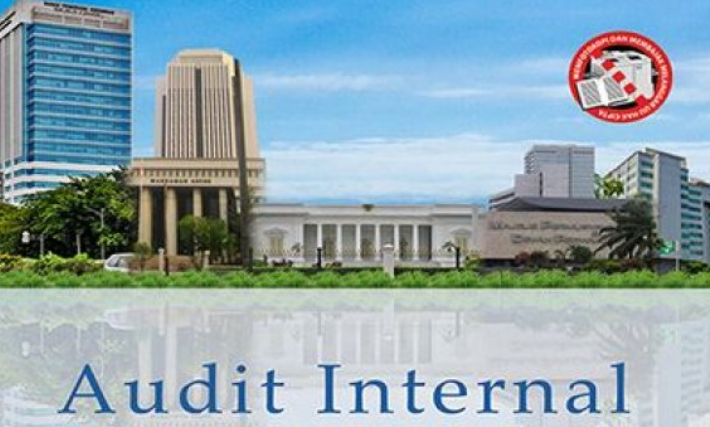
Internal Audit
The Internal Audit course is a core elective course taken by all students in the Accounting Department, Faculty of Economics, Surabaya State University. The material

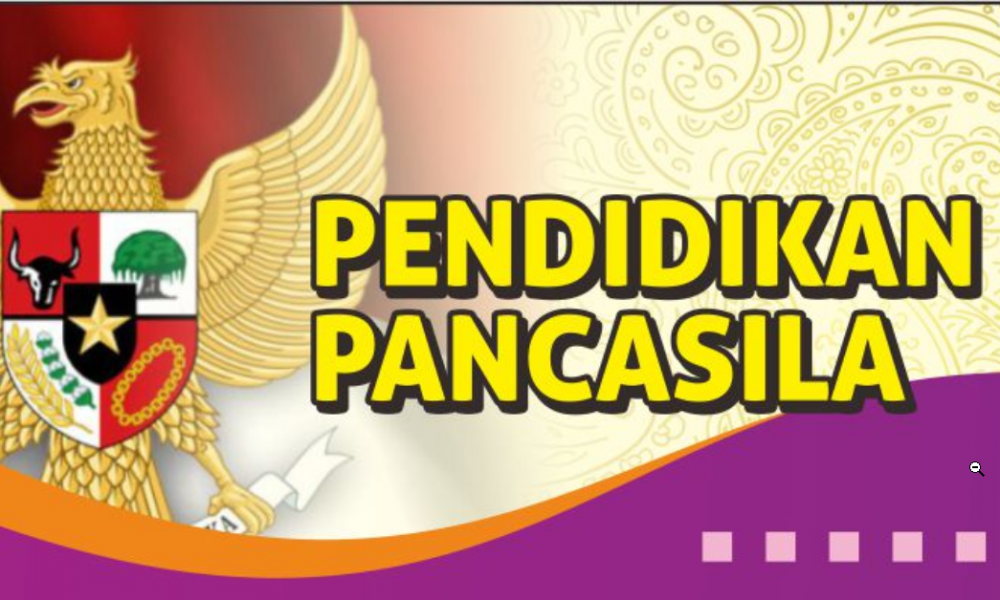
Pancasila Education
This course will discuss the concept and essence of Pancasila as the basis and ideology of the state, as well as the nation‘s way of


Economics Education
This course includes a discussion of the relationship between economics, education and educational economics, education and economic growth, human capital theory, compensation in education, educational


Copyright © 2026 Sinau Digital UNESA All Rights Reserved