
Sidia is a education Platform website.






Course Description
This course aims to develop students‘ understanding and appreciation of poetry‘s artistry and significance within literary history, focusing on how poets use language to evoke emotion, convey ideas, and shape perspectives on the world (Tujuan). Learning materials cover diverse poetic forms, styles, and movements, including those rooted in Western literary tradition, read through the lens of SDG 5 (Gender Equality) and SDG 9 (Industry, Innovation, and Infrastructure), examining how poetic texts represent, challenge, or reinforce gender dynamics and the human relationship with innovation and industrial change (Materials Coverage; SDG). The course is delivered through project-based learning, combining close reading, comparative analysis, and class discussion, with students working toward a creative or analytical project as the culminating task (Metode). Assessment is critical and reflective in nature, consisting of: (1) a creative-analytical project, in which students analyze a chosen poem or compose an original one, demonstrating critical understanding of poetic devices and SDG-related themes; and (2) a reflective report, in which students critically trace their own evolving interpretive lens and personal growth in appreciating and reading poetry.
Program Objectives (PO)
- Being able to advocate cultural diversity in various interactions that involve different cultures
- Being able to critically evaluate the themes and messages of poetry, including the use of historical, social, and cultural contexts
- Being able to produce personal responses to poetry through reflective writing, discussion, and presentation, and apply critical thinking skills to engage with the text
- Being able to advocate cultural diversity in various interactions that involve different cultures
Aktifitas Pembelajaran
-
Pertemuan 1 Students are able to read, understand, and appreciate poetry from various eras and cultures. -
Pertemuan 2 Define rhyme and rhythm as poetic devices -
Pertemuan 3 Recognize and describe common types of poetic meter -
Pertemuan 4 · To understand and identify the use of imagery -
Pertemuan 5 · To understand and identify the use of imagery -
Pertemuan 6 · To understand and identify the use of imagery -
Pertemuan 7 Being able to write responses to others’ poem analysis -
Pertemuan 8 Being able to write responses to others’ poem analysis -
Pertemuan 9 Being able to produce haiku, cinquain, and acrostic -
Pertemuan 10 Being able to produce haiku, cinquain, and acrostic -
Pertemuan 11 Being able to produce haiku, cinquain, and acrostic -
Pertemuan 12 Being able to explicate selected poems -
Pertemuan 13 Being able to write responses to others’ poem analysis -
Pertemuan 14 Being able to write responses to others’ poem analysis -
Pertemuan 15 Being able to use direct quotation of an original paragraph on language/literature -
Pertemuan 16 Being able to use direct quotation of an original paragraph on language/literature
References
- Kennedy, X. J. and Dana Gioia (2002) An Introduction to Poetry . New York: Longman
- Wolosky, Shira (2001) The Art of Poetry. How to Read A Poem . Oxford: OUP, Inc. Supplementary readings:
- Altenbernd, Lynn and Lesslie Lewis (1966) A Handbook for the Study of Poetry . London: The Macmillan Company
- Barnett, Sylvan. et al (1995) An Introduction to Literature . New York: HarperCollins College Publishers
- McMichael (1980) Editor. Anthology of American Literature . New York: Macmillan Publishing Co. Inc.,
- Reaske, Christopher R (1970) The Writer’s Guide to the Study of Literature, New York: Random House
Lecturer

Difficult Things About Education.
$75$10
More Similar Courses
Related Courses
Shokyu Hanashikata
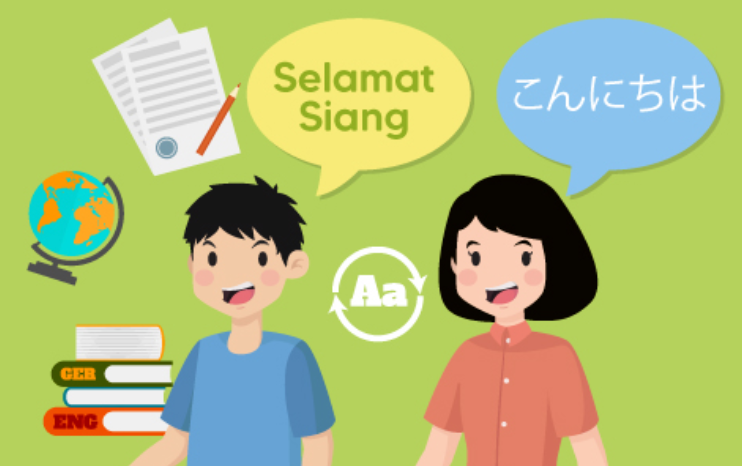
The material in this course contains the application of mastery of Japanese grammar through speaking skills which include simple dialogue, interviews, group discussions in Japanese


Essential Reading and Writing Skills
The Essential Reading and Writing Skills course (8820304360) is a foundational 4-credit course designed for students in the English Education Study Program to develop essential


Literasi Digital
The Digital Literacy course is a general compulsory course (MKWU) for all Surabaya State University students which is presented in the first year of study.

Copyright © 2026 Sinau Digital UNESA All Rights Reserved