
Sidia is a education Platform website.






Course Description
This course explains the limitations, scope, characteristics and development of the public service management paradigm. Students are also equipped with basic knowledge about public and private goods, public service principles and service standards, public service institutions and how to manage resources and organizational culture so as to improve the quality of public services and customer satisfaction through handling complaints, as well as service reform and innovation.
Program Objectives (PO)
- Mampu menguasai konsep teoritis dalam pelayanan publik untuk mewujudkan nilai-nilai tata kelola pemerintahan yang baik
- Mampu memanfaatkan teknologi informasi dalam mengelola organisasi dalam pelayanan publik
- Mampu merumuskan alternatif solusi atas permasalahan administrasi dalam organisasi pelayanan publik
- Bekerjasama dan memiliki kepedulian terhadap masyarakat dan lingkungan dalam kaitannya dengan pelayanan publik
Aktifitas Pembelajaran
-
Pertemuan 1 Pelayanan publik sebagai ilmu pengetahuan -
Pertemuan 2 Perkembangan paradigma pelayanan publik -
Pertemuan 3 Membedakan public goods dan private goods -
Pertemuan 4 Pengidentifikasi prinsip dan standar pelayanan publik -
Pertemuan 5 Kelembagaan pelayanan publik -
Pertemuan 6 Pengelolaan SDM dan budaya pelayanan publik -
Pertemuan 7 Pengelolaan SDM dan budaya pelayanan publik -
Pertemuan 8 Materi yang sudah diberikan sebelumnya -
Pertemuan 9 Mengelola biaya pelayanan -
Pertemuan 10 Kualitas pelayanan publik -
Pertemuan 11 Kualitas pelayanan publik melalui SOP -
Pertemuan 12 Mengelola integritas pelayanan publik melalui SOP -
Pertemuan 13 Kepuasan masyarakat -
Pertemuan 14 Penanganan keluhan masyarakat -
Pertemuan 15 Inovasi dan reformasi dalam pelayanan publik -
Pertemuan 16 Materi yang sudah diberikan sebelumnya
References
- Denhardt, Janet V. and Denhardt, Robert B. 2011.The New Public Servic: Service, not Steering. New York: M.E. Sharpe.
- Osborne, Stephen P. 2010.The New Public Governance. New York: Routledge.
- Denhardt, Janet V. and Denhardt, Robert B. 2013.Pelayanan Publik Baru dari Manajemen Steering ke Serving. (Terjemahan dari judul asli: The New Public Service). New York: M.E.Sharpe.
- .Hesti dkk, Puspitosari & Khalikussabir. 2011.Filosofi Pelayanan Publik. Setara Press dan Jaringan Nasional Masya
- Hardiyansyah. 2011.Kualitas Pelayanan Publik. Gava Media
Lecturer




Difficult Things About Education.
$75$10
More Similar Courses
Related Courses

Pendidikan Agama Islam
Providing provisions for the formation of students‘ complete personality (kaffah) by making Islamic teachings the basis for thinking, acting and behaving in their scientific and

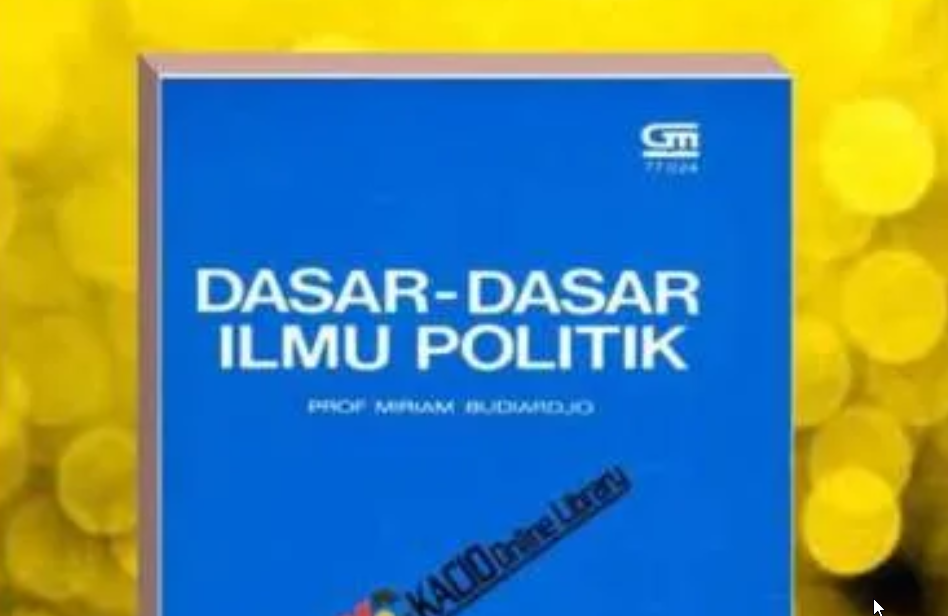
Basics of Political Science
Study of political dimensions, government, power, authority, legitimacy, state, nation, political integration, ideology, political parties, political and interest representation, political decisions, political conflicts, political behavior,

Photography
This course provides insight and practice regarding basic photography techniques, types of photos as works, introduction to cameras and the characteristics of cameras as photo


Copyright © 2026 Sinau Digital UNESA All Rights Reserved